Understanding Innovative Teaching Methods
Innovative teaching methods refer to modern instructional approaches that go beyond traditional lecture-based learning. These methods focus on active participation, critical thinking, creativity, and real-world application of knowledge. By using innovative strategies, educators can create engaging learning environments that meet the needs of diverse learners.
Importance of Innovation in Teaching
Adapting to Changing Learning Needs
Students today are exposed to technology and information from an early age. Innovative teaching methods help educators align instruction with modern learning styles and expectations.
Enhancing Student Engagement
Traditional methods often fail to maintain attention. Innovative approaches encourage interaction, collaboration, and curiosity, leading to deeper engagement.
Student-Centered Learning Approaches
Active Learning Techniques
Active learning involves students directly in the learning process through discussions, problem-solving, and hands-on activities. This approach improves understanding and retention.
Personalized Learning Models
Personalized learning tailors instruction to individual student needs, interests, and abilities. Flexible pacing and customized content support better outcomes.
Project-Based Learning Methods
Real-World Problem Solving
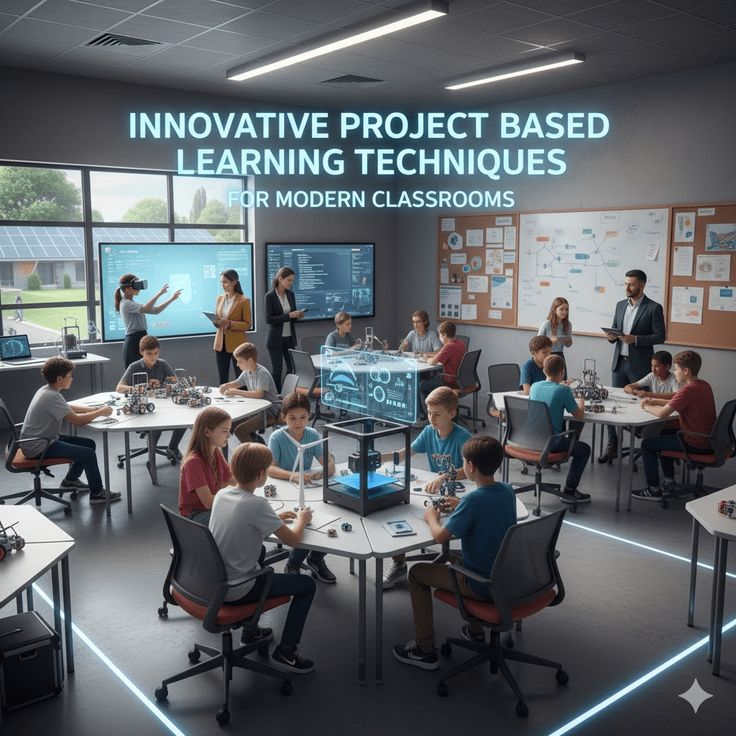
Project-based learning encourages students to work on real-life challenges. It helps develop analytical skills and practical knowledge.
Collaboration and Teamwork
Students work in groups to plan, research, and present projects. Collaboration builds communication and leadership skills.
Inquiry-Based Learning Strategies
Encouraging Curiosity and Questions
Inquiry-based learning focuses on student questions and exploration. Teachers act as facilitators rather than information providers.
Developing Research Skills
Students learn how to gather, analyze, and evaluate information independently. These skills are essential for academic and professional success.
Technology-Integrated Teaching Methods
Use of Digital Learning Tools
Technology enhances teaching through interactive presentations, online simulations, and educational apps. Digital tools make learning more dynamic.
Blended Learning Models
Blended learning combines online and face-to-face instruction. This approach offers flexibility and supports different learning preferences.
Flipped Classroom Approach
Pre-Class Learning Activities
In a flipped classroom, students review lessons at home through videos or readings. Class time is used for discussion and practice.
Maximizing Classroom Interaction
This method allows teachers to focus on student questions and personalized support during class sessions.
Experiential Learning Methods
Learning Through Experience
Experiential learning emphasizes direct experience such as experiments, fieldwork, and simulations. It connects theory with practice.
Reflection and Application
Students reflect on experiences to gain deeper understanding. Reflection strengthens learning outcomes.
Collaborative Learning Techniques
Group Discussions and Peer Learning
Collaborative learning promotes knowledge sharing among students. Peer interaction enhances comprehension and confidence.
Building Social and Communication Skills
Working with peers improves teamwork and communication abilities essential for future careers.
Gamification in Education
Using Game Elements in Learning
Gamification incorporates points, challenges, and rewards into lessons. This method increases motivation and participation.
Encouraging Healthy Competition
Game-based activities promote friendly competition while maintaining focus on learning objectives.
Creative Teaching Strategies
Use of Visual and Storytelling Techniques
Visual aids and storytelling make lessons more memorable. Creativity enhances understanding of complex concepts.
Arts Integration in Education
Integrating art, music, and drama into lessons supports creative expression and holistic learning.
Inclusive Teaching Methods
Addressing Diverse Learning Needs
Innovative teaching supports inclusivity by accommodating different abilities and backgrounds. Flexible methods ensure equal learning opportunities.
Universal Design for Learning
This approach provides multiple ways for students to access content and demonstrate understanding.
Role of Teachers in Innovative Teaching
Facilitators of Learning
Teachers guide, support, and motivate students rather than delivering information only. Facilitation encourages independent learning.
Continuous Professional Growth
Educators must continuously update skills and strategies. Professional development supports innovation.
Assessment in Innovative Teaching
Formative Assessment Techniques
Ongoing assessments provide feedback during learning. This helps teachers adjust instruction.
Performance-Based Evaluation
Projects, presentations, and portfolios assess practical skills and understanding.
Benefits of Innovative Teaching Methods
Improved Learning Outcomes
Students demonstrate better understanding and retention when actively involved in learning.
Enhanced Student Motivation
Engaging teaching methods inspire curiosity and enthusiasm for learning.
Challenges in Implementing Innovative Teaching
Resource Limitations
Access to technology and materials can be limited. Proper planning and support are essential.
Resistance to Change
Both educators and students may resist new methods. Gradual implementation helps overcome challenges.
Future of Innovative Teaching Methods
Integration of Emerging Technologies
Artificial intelligence, virtual reality, and data analytics will shape future classrooms.
Focus on Lifelong Learning Skills
Innovative teaching will increasingly emphasize adaptability, creativity, and continuous learning.