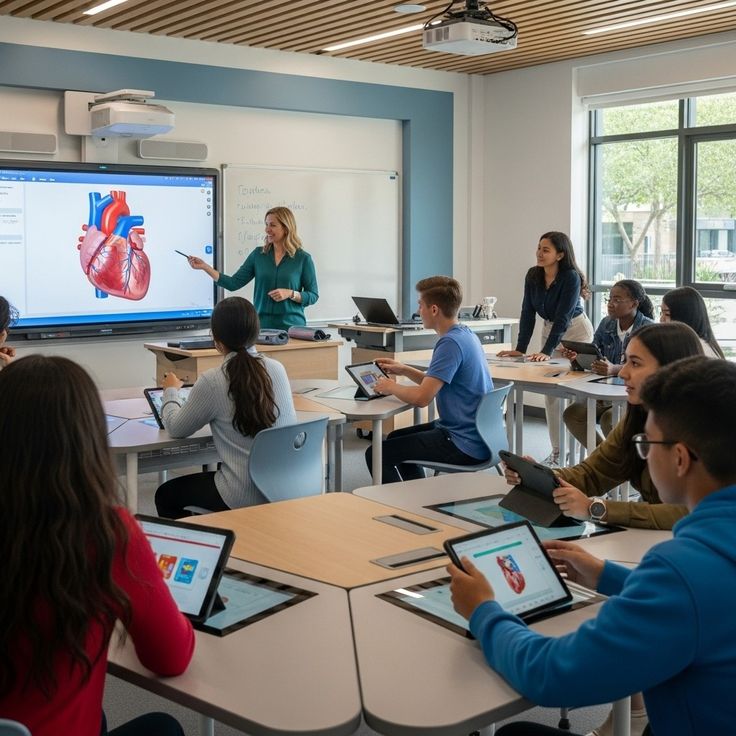
Understanding the Online Learning Revolution
The online learning revolution represents a major transformation in how education is delivered, accessed, and experienced. It refers to the shift from traditional classroom-based instruction to digital learning environments powered by the internet and modern technology. This transformation has changed education from a location-bound activity into a flexible, learner-centered experience accessible to people across the globe.
Origins of Digital Learning
Early Distance Education Models
Before widespread internet access, distance education relied on correspondence courses, recorded lectures, and printed materials sent by mail. These methods allowed limited access to education but lacked interaction and real-time feedback.
Emergence of Internet-Based Learning
The expansion of the internet introduced online courses, virtual classrooms, and digital resources. This development marked the beginning of interactive learning experiences that could connect students and educators regardless of physical location.
Key Drivers of the Online Learning Revolution
Technological Advancements
High-speed internet, cloud computing, and mobile devices have played a crucial role in online learning growth. These technologies support video streaming, interactive tools, and real-time collaboration.
Changing Learner Needs
Modern learners seek flexibility and personalization. Online learning platforms address these needs by offering self-paced courses, modular lessons, and diverse content formats.
Global Accessibility
Online education removes geographical barriers, allowing learners from different regions to access the same quality of education. This accessibility supports inclusive learning opportunities.
Types of Online Learning Models
Synchronous Online Learning
Synchronous learning involves live sessions where instructors and students interact in real time. Virtual classrooms, live webinars, and video conferencing enable immediate feedback and discussion.
Asynchronous Online Learning
Asynchronous learning allows students to access materials at their convenience. Recorded lectures, discussion boards, and assignments support flexible scheduling.
Blended Learning Approaches
Blended learning combines online instruction with in-person sessions. This approach balances digital flexibility with face-to-face engagement.
Role of Online Learning Platforms
Learning Management Systems
Learning management systems organize courses, track progress, and manage assessments. They provide a centralized environment for both instructors and learners.
Content Delivery Tools
Online platforms use videos, interactive quizzes, simulations, and digital resources to enhance understanding. Multimedia content supports diverse learning styles.
Impact on Traditional Education Systems
Redefining the Classroom Experience
The online learning revolution has redefined classrooms by shifting focus from lectures to interactive and student-centered learning. Educators now act as facilitators rather than sole information providers.
Expanding Educational Opportunities
Online learning enables institutions to reach non-traditional students, including working professionals and remote learners. Education is no longer limited by time or location.
Benefits of the Online Learning Revolution
Flexibility and Convenience
Online learning allows learners to study according to their schedules. This flexibility supports individuals balancing education with work or personal responsibilities.
Cost Efficiency
Digital education reduces costs related to travel, accommodation, and physical materials. Many online courses are more affordable than traditional programs.
Personalized Learning Experiences
Adaptive learning technologies customize content based on learner performance. Personalization improves engagement and knowledge retention.
Online Learning for Skill Development
Professional and Career-Oriented Courses
Online platforms offer skill-based courses that align with industry demands. Learners can acquire practical skills relevant to career advancement.
Lifelong Learning Opportunities
The online learning revolution supports continuous education. Individuals can pursue new interests and skills throughout their lives.
Role of Educators in Online Learning
Digital Teaching Strategies
Educators adapt teaching methods to suit online environments. Interactive activities, multimedia resources, and discussion forums enhance engagement.
Student Support and Mentorship
Online instructors provide guidance through feedback, virtual office hours, and communication tools. Support systems help maintain learner motivation.
Technology Enhancing Online Learning
Artificial Intelligence in Education
AI-driven tools analyze learner behavior and recommend personalized content. These tools improve efficiency and learning outcomes.
Virtual and Augmented Reality
Immersive technologies create interactive learning experiences. Virtual simulations allow learners to practice skills in realistic environments.
Assessment and Evaluation in Online Learning
Digital Assessment Methods
Online assessments include quizzes, assignments, and projects. Automated grading provides immediate feedback to learners.
Performance Tracking and Analytics
Analytics tools monitor progress and engagement. Data-driven insights help educators improve course design.
Challenges of the Online Learning Revolution
Digital Divide and Access Issues
Limited internet access and device availability can restrict participation. Addressing these gaps is essential for inclusive education.
Maintaining Learner Engagement
Online learning requires self-discipline. Platforms use interactive content and progress tracking to sustain motivation.
Quality Assurance and Credibility
Ensuring consistent quality across online courses is a challenge. Accreditation and standards help maintain credibility.
Online Learning in Different Sectors
School and Higher Education
Schools and universities use online learning to supplement traditional teaching. Digital resources enhance academic learning.
Corporate Training and Development
Businesses use online learning for employee training. Digital courses support skill development and organizational growth.
Community and Informal Learning
Community platforms offer informal learning opportunities. These resources support knowledge sharing and personal growth.
Social Impact of Online Learning
Promoting Educational Inclusion
Online learning supports inclusion by reaching underserved populations. Accessible education contributes to social development.
Encouraging Global Collaboration
Digital learning environments connect learners worldwide. Collaboration across cultures enhances understanding and innovation.
Future Directions of the Online Learning Revolution
Microlearning and Modular Education
Short learning modules provide focused knowledge. Microlearning fits modern attention spans and busy schedules.
Integration of Learning and Work
Online learning increasingly aligns with workplace needs. Integrated learning pathways support career progression.
Continuous Innovation in Education Technology
Ongoing innovation drives the evolution of online learning. New tools and platforms continue to shape the future of education.